2370 ROYAL CANADIAN ARMY CADETS - REGINA
  • Home
  • About
    • Cadet Training Centres
    • Officers & Staff
    • Our History
    • Regina Armoury
    • Support Committee
  • Activities
  • Resources
    • Badges & Insignia
    • Medals & Awards
    • Ranks & Promotions
    • Star Level Training
    • Uniforms
  • Fundraising
  • Join
    • Cadets
    • Volunteers & Staff
  • CIC
  • Calendar
  • Contact
  • Home
  • About
    • Cadet Training Centres
    • Officers & Staff
    • Our History
    • Regina Armoury
    • Support Committee
  • Activities
  • Resources
    • Badges & Insignia
    • Medals & Awards
    • Ranks & Promotions
    • Star Level Training
    • Uniforms
  • Fundraising
  • Join
    • Cadets
    • Volunteers & Staff
  • CIC
  • Calendar
  • Contact

A Focus on Physical Activity & the Outdoors
Picture

Expedition

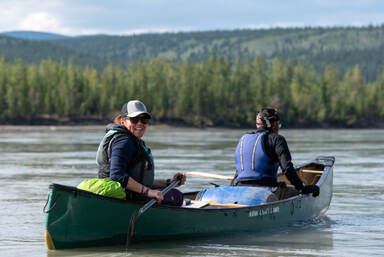
Expeditions develop knowledge on how to travel long distances in various environments. Army cadets also learn how to take care of their field equipment.
​
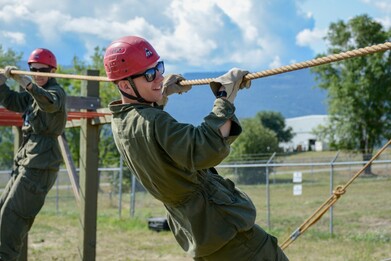
At a higher level, they can participate in longer and more difficult expeditions. These expeditions may include mountaineering, caving (exploring caves) and white water rafting.
The army cadet program offers many sports activities that are not available to other elements such as climbing, mountain biking and rafting. In addition to practising these activities at the unit, several summer camps are offered to improve your skills in these disciplines.

​Each year, a few experienced cadets can participate in a parachuting course.
Picture

Physical Fitness

Picture

Survival

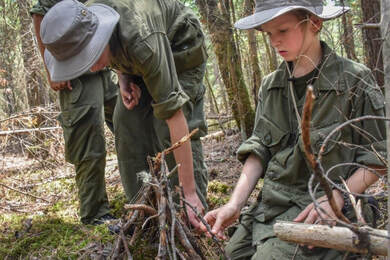
Army cadets participate in training in the bush in summer and winter. They learn how to build makeshift shelters and how to survive using what nature has to offer.

​This includes learning how to make a fire, find water, make themselves visible to rescue workers and many other useful skills.

JOINING REQUIREMENTS

Step 1 - Confirm Eligibility

  • Be a legal resident of Canada;
  • Provide proof of provincial health insurance coverage or equivalent;
  • Be at least 12 years of age but not have attained 19 years of age;
  • Normally be in good physical condition;
  • Not belong to another corps or squadron; and
  • Be acceptable to the Commanding Officer of the corps.

Step 2 - Register Online

  • Under "unit name" please select: "2370 10 Field Artillery Regiment, Royal Canadian Army Cadet Corps"
Online Application
The Canadian Cadet Organizations (CCO)The Canadian Cadet Organizations help develop skills that will help youth transition into adulthood, from good citizenship, leadership, and a focus on physical fitness, Cadets have experiences that you don’t find anywhere else.

  • Invite all Canadian youth – Cadets and JCR programs are open to all youth age 12 to 18 that are Canadian citizens or are authorized to reside in Canada. Although, the program is expected to be physically and mentally challenging, there will be no artificial barriers developed which preclude participation based on gender, race, culture, religion, education, socioeconomic status or ability. The programs will make reasonable efforts to accommodate.

  • Instill Canadian Military Values – The development of the Cadet Program is guided by the best of Canadian military values and ethics. These values include respecting the dignity of all people, serving Canada before self, and obeying and supporting lawful authorities. Additionally, cadets will gain better appreciation of the specific values of duty, loyalty, integrity, courage, stewardship, and excellence as expected of all Canadian Armed Forces members.

  • Develop Citizenship, Leadership, and Fitness – the Cadet program helps participants progressively develop into adults who contribute positively to Canadian society as leaders, while instilling a lifelong appreciation of health and fitness.

  • Balance Safety and Challenge – Youth and their parents will have confidence that the activities and events the Cadets deliver are challenging, yet safe. They will also be confident that the adults leading the program are of unquestionably high moral characters and are focused on the development of the Cadets.
 
  • Leave a positive lifelong impact – Whether youth stay with the program for many years or for just a few weeks, it is imperative that they remember the experience positively to help guide their development as productive Canadians.


Cadets are supervised by members of the CAF in the Cadet Organizations and Administration Training Service (COATS) most of whom are among the 7,500 members of the Cadet Instructors Cadre (CIC), a branch within the Reserve Force of the Canadian Armed Forces. For information visit our Adult Leadership Page.
Picture

Frequently Asked Questions

What is the cADET PROGRAM?
The Cadet Program is a national, community-based program that is funded by the Department of National Defence in partnership with three civilian organisations: the Navy League of Canada, Army Cadet League of Canada and Air Cadet
wHO ARE THE CADETS?
Legal residents of Canada, aged 12 to 18, are eligible to join the Cadets.  It is important to note that cadets are NOT members of the Canadian Armed Forces, nor are they expected to join the military. The program focuses on transferable life skills that can be used in any career path a cadet may decide to pursue.
wHO INSTRUCTS THE CADETS?
Cadet Instructors Cadre Officers are members of the Canadian Armed Forces whose primary duty is the safety, supervision, administration and training of Cadets. They must be Canadian citizens, between 18 and 64 years of age and have a secondary school diploma or equivalent.  They must also meet Canadian Armed Forces medical standards, as well as specific screening requirements common to organisations working with youth (for example, they must have a valid Police Records Check and Vulnerable Sector Screening). Further, Commanding Officers ensure that all activities are adequately supervised by “competent, screened, and authorised adult supervisors of each gender.”

Cadet Instructors Cadre Officers belong to the Cadet Organisations Administration and Training Service, a sub-component of the Reserve Force, which includes both commissioned officers and non-commissioned members. There are approximately 7,800 commissioned officers, who receive training to prepare them for their duties as youth leaders. They work with cadets an average of one evening and one weekend day per week. However, they may spend additional time organising and planning activities, and many continue to be active during the summers while taking part in specialised programs and activities.  
​
​As members of the Reserve Force, Cadet Instructors Cadre Officers are paid for their work, and those occupying a position at a local Corps or Squadron level can receive up to 25 days of pay per year. They may also receive additional pay for attendance on training courses, summer employment or other activities. Many Cadet Instructors Cadre Officers choose to volunteer a large amount of additional time to the program.​
What are the differences between air, army, and sea cadets?
The main differences between the three programs (Sea, Army or Air Cadets) are the uniform and the elemental training you will receive. 

​Sea Cadets specialise in sailing, seamanship, shipboard life, naval communications, power boat handling, boat repair, and marine engineering. 

Army Cadets develop abilities in the use of map and compass, GPS technology, orienteering, first-aid, camping and survival skills, canoeing, abseiling, trekking and mountain biking. 

Air Cadets focus on the aviation environment including power flying and gliding, aerospace, aircraft maintenance, navigation and outdoor survival. 

Each Cadet Program equally participates in teamwork and leadership training, Canadian military history, citizenship activities, drill and physical fitness.
Fridays - 1800 - 2115 hrs   |   HMCS Queen - 100 Navy Way, Regina, SK  |  [email protected]