Weekly Training
Regular training night schedule
- Regular training takes place on Thursday nights, from 1830 to 2110 hrs.
|
1800 - Arrival of Duty Staff & Seniors
1815 - Arrival of Cadets 1830 - Markers Called 1845 - Inspection / March Past |
1905 - 1935 - Instruction Period I
1935 - 1940 - Break 1940 - 2010 - Instruction Period II 2010 - 2020 - Break 2020 - 2050 - Instruction Period III |
2050 - Fall In
2055 - Closing Parade 2110 - Dismissal of Cadets 2110 - Debrief (Staff & Seniors) |
Commanding Officer's Parade Nights
Annual Ceremonial Review (ACR)
Sports Nights
Absences
- The CO’s parade is a formal military ceremony that takes place the first Thursday of every month. Cadets come in C1 dress and assemble for inspection and display by the Commanding Officer of the Cadet Corps. CO's parades are also used to announce promotions, awards, and other important events.
Annual Ceremonial Review (ACR)
- The ACR is an important, mandatory training event for the Army Cadet training year. This mandatory event is an opportunity for Cadets to display what they have learned over the past training year to their families and assembled guests. It is also the opportunity for the Corps to honour deserving Cadets by presenting them with various awards. Cadets must attend this event in order to complete their training level, receive any related rank promotion, and participate in summer training. Only the Commanding Officer (CO) is authorized to excuse Cadets.
Sports Nights
- A couple of times a year we have sports and fitness nights. Cadets wear sportswear instead of uniforms. Activities include fitness testing and intramural sports.
Absences
- If you are unable to attend training, it is your responsibility to notify the Corps. Unexcused absences will count against your training requirements. Excusable absences include illness, schoolwork, and parent request.
Band
|
|
Cadets will learn how to: play a musical instrument, read music, musical theory and drill with instruments and formations on parade.
The cadet will be able to advance his/her musical talents and progress to a point where he/she can help his/her peers. |
The Band also performs at various parades and events throughout the community.
Biathlon
|
|
Biathlon is an Olympic winter sport, which combines competitive, free-technique cross-country skiing and small-bore rifle marksmanship.
Training consists of strength and cardiovascular conditioning through static exercises, running, and other dynamic activities. |
In the Cadet Biathlon competition the biathlete skis a distance of no less than 5 kilometres and stops at the shooting range to shoot, two times. The shooting distance is always 50 metres and five rounds are fired in each bout at five targets. Cadets shoot in the prone position only.
Field Training Exercises (FTX)
Three times during the training year Army Cadets head into the bush for training. Field training teaches Cadets how to be comfortable living, learning and having fun in the great outdoors. It teaches them survival skills, camping, how to use camp equipment and tools and how to be part of a group. Cadets test their endurance and learn how to read maps and navigate in the woods. An FTX can also be used to introduce other activities such as abseiling, obstacle course, archery, and marksmanship. One FTX will take place during the winter and Cadets learn how to remain safe and comfortable when training in the cold weather, winter survival techniques, snow shoeing, fire starting and sleeping in the cold.
Marksmanship
|
|
Marksmanship is one of the most popular cadet training activities. Cadet marksmanship had its roots in familiarization training with the Canadian Forces. Its current focus, however, is on teaching cadets the proper use and safe handling of firearms for recreational purposes only. The marksmanship program has been specifically designed for youth and is based on Olympic-style competition.
|
Self-confidence, acceptance of responsibility and sports etiquette are just some of the life skills acquired from the training. A healthy respect for firearms, the development of proficient use of rifles for sport and recreational purposes, and an improvement in self-discipline are additional benefits.
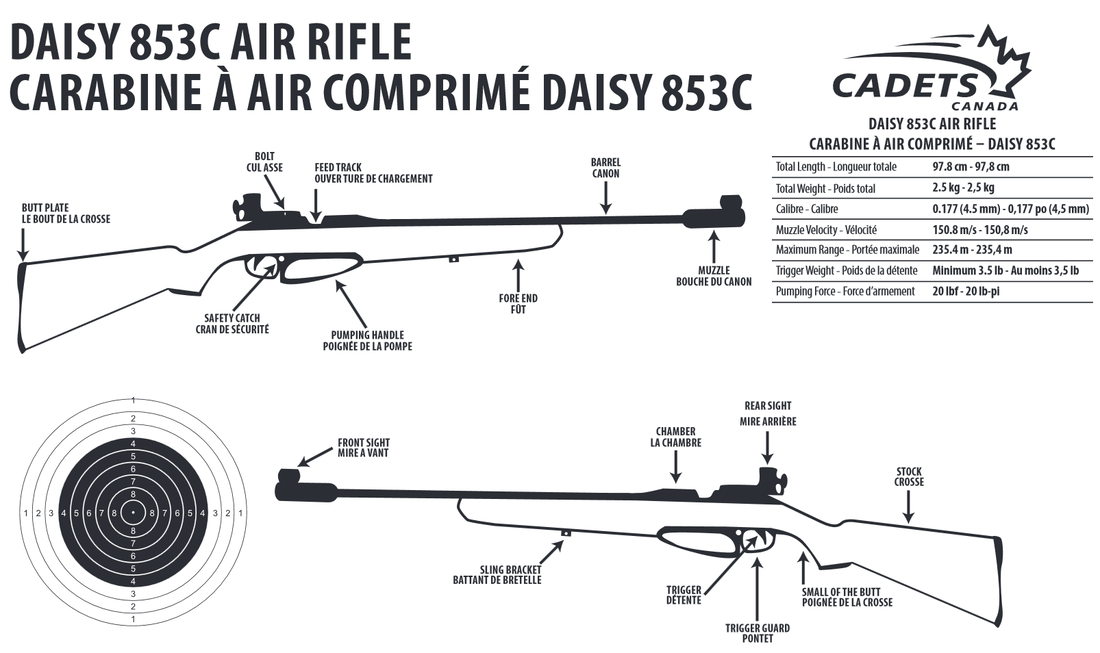
Cadets use the Daisy 853C air rifle that fires a .177 calibre pellet and has a round aperture sight. Because of the low muzzle velocity, the Daisy 853C is not classified as a firearm under federal gun legislation.
Throughout the year, cadets participate in a series of competitions at the local level that culminate in zone and territorial/provincial competitions and the annual National Cadet Marksmanship Championship.
Also, marksmanship activities are present at all the various cadet summer training centres and some courses are aimed specifically towards this program. A limited number of cadets may also fire small bore and large bore rifles.
Cadets use the Daisy 853C air rifle that fires a .177 calibre pellet and has a round aperture sight. Because of the low muzzle velocity, the Daisy 853C is not classified as a firearm under federal gun legislation.
Throughout the year, cadets participate in a series of competitions at the local level that culminate in zone and territorial/provincial competitions and the annual National Cadet Marksmanship Championship.
Also, marksmanship activities are present at all the various cadet summer training centres and some courses are aimed specifically towards this program. A limited number of cadets may also fire small bore and large bore rifles.
Drill
Drill is an important part of cadet training. Drill promotes discipline, alertness, precision, pride, steadiness, and the cohesion necessary for success within a group.
From a leadership perspective, drill is an excellent vehicle to help enhance some personal attributes. A senior cadet’s assertiveness, confidence in his/her abilities while speaking in front of a group, and supervisory skills while correcting personnel on their dress and personal drill all benefit from drill instruction.
From a leadership perspective, drill is an excellent vehicle to help enhance some personal attributes. A senior cadet’s assertiveness, confidence in his/her abilities while speaking in front of a group, and supervisory skills while correcting personnel on their dress and personal drill all benefit from drill instruction.
Orienteering
|
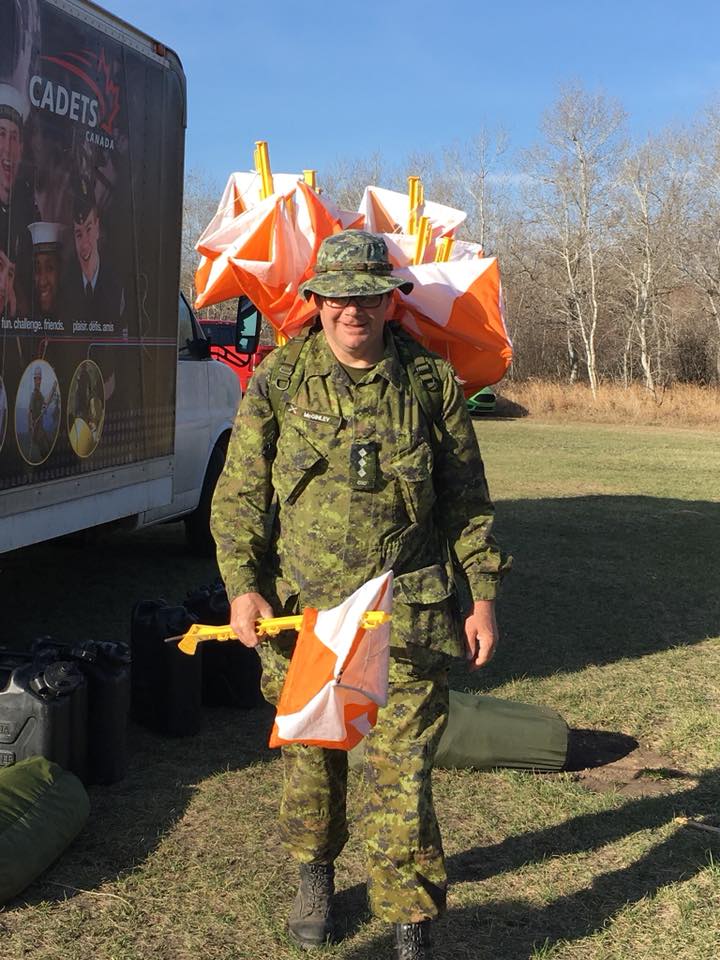
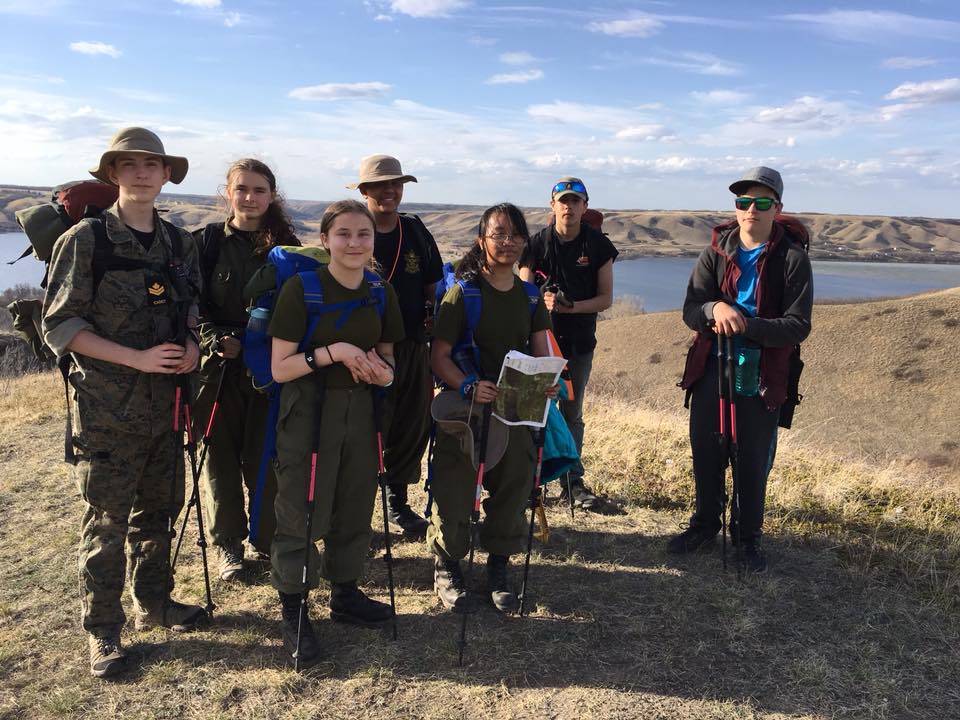
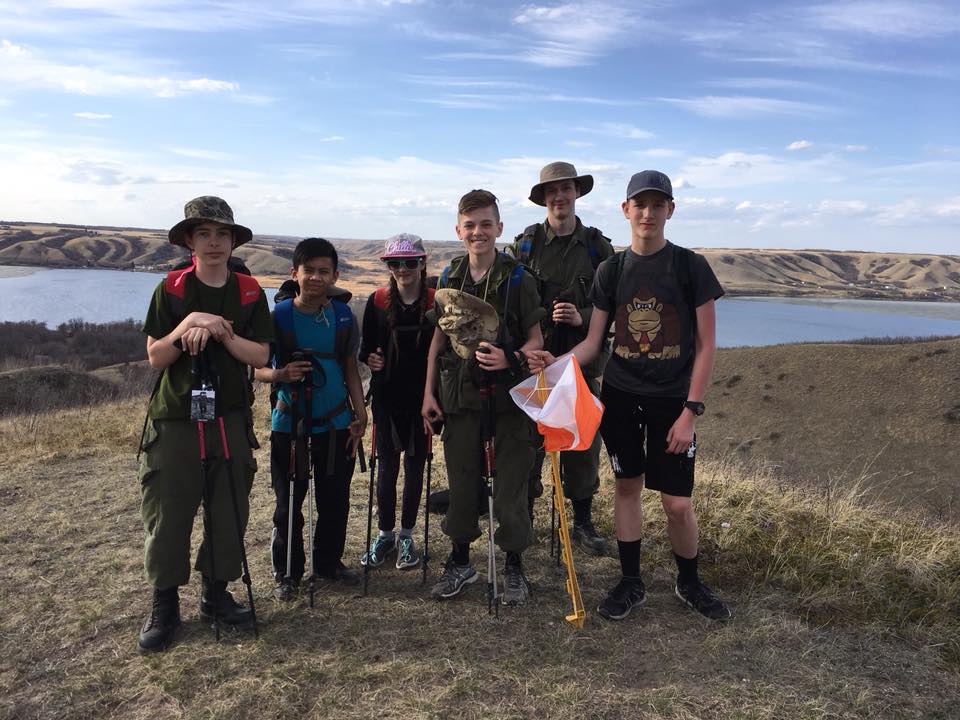
Orienteering is a sport that combines physical fitness with the ability to navigate through wilderness using a map and compass.
It can be both an individual or team challenge. As such, it touches on several aspects of cadet training – physical fitness, the ability to make decisions, navigation skill, map reading ability, travelling in the outdoors, confidence and discipline. |
|
|